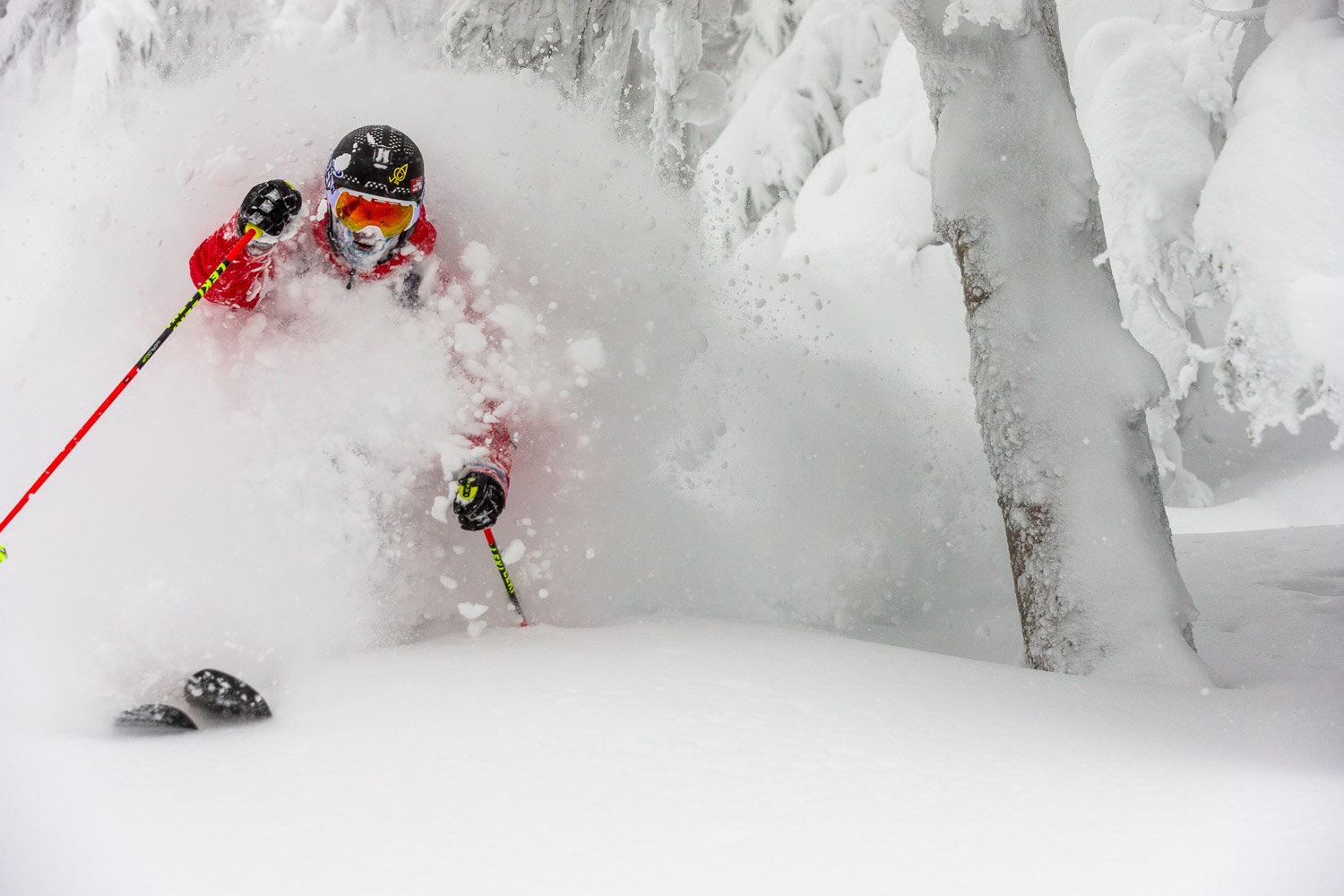
Japan’s ski season isn’t just about the slopes—it’s about the entire experience. Picture this: carving through fresh powder surrounded by majestic mountains, soaking in a hot onsen after a long day, and refueling with a steaming bowl of ramen or a perfectly grilled yakitori skewer. Beyond the skiing itself, Japan’s unique combination of rich culture and modern amenities sets it apart. From the disciplined, orderly lift lines to the exceptional customer service at resorts, every aspect of your trip is enhanced by Japan’s attention to detail.
When Does Ski Season Start in Japan?
Japan’s ski season typically kicks off in late November and lasts until early May, depending on the region. The exact timing and conditions can vary widely based on the location and altitude. Here’s a detailed breakdown:
November: Early snowfall begins in northern regions like Hokkaido. Resorts like Niseko and Furano may open a few runs, but coverage can be patchy. Ideal for those eager to start early.
December – February: These are the peak months for deep, powdery snow. Resorts in Hokkaido and Nagano enjoy consistent snowfall during this period. It’s the best time for experienced skiers and those seeking Japow at its finest.
March – April: Spring skiing comes with milder weather and fewer crowds. This is perfect for families and beginners who want a more relaxed experience. Resorts like Nozawa Onsen host vibrant spring festivals during this time.
May: Only high-altitude resorts, such as Gassan in Yamagata, remain open. Snow quality diminishes, but the novelty of skiing in late spring can be worth it.
Pro tip:Be mindful of Japanese public holidays, such as New Year’s and Golden Week. These periods see a massive influx of domestic tourists, leading to crowded slopes and limited accommodation options.
Top Ski Destinations in Japan
1. Niseko (Hokkaido)
Niseko, Japan’s most famous ski resort, is celebrated for its consistent snowfall and vibrant international vibe. Nestled on Hokkaido’s western coast, Niseko boasts four interconnected resorts: Grand Hirafu, Hanazono, Niseko Village, and Annupuri. Together, they offer a variety of runs suitable for all skill levels. Night skiing is particularly spectacular here, with floodlit slopes creating a magical ambiance.
Beyond skiing, the region is known for its gourmet dining scene, with must-visit spots like Milk Kobo offering delectable dairy treats. For those seeking more adventure, a short trip to Lake Toya provides stunning scenery and relaxation opportunities.
2. Hakuba Valley (Nagano)
Hakuba Valley, located in the Japanese Alps, is a sprawling ski destination that gained global recognition during the 1998 Winter Olympics. With over ten interconnected resorts, Hakuba caters to diverse skill levels. Happo-One is known for its challenging runs, while Tsugaike Kogen is a family-friendly option.
The Hakuba Valley Pass grants access to all the resorts, making it easy to explore the area. In the evenings, indulge in local delicacies such as soba noodles and sake at traditional izakayas scattered throughout the region.
3. Nozawa Onsen (Nagano)
Nozawa Onsen combines exceptional skiing with the charm of a traditional Japanese village. The resort’s 300 hectares of terrain offer runs for beginners and experts alike. January’s Dosojin Fire Festival adds a cultural highlight to your visit. After a day on the slopes, unwind in one of the free public onsens dotted throughout the village—a quintessential Nozawa experience.
4. Zao Onsen (Yamagata)
Zao Onsen is famous for its snow monsters, a phenomenon where trees are coated in thick layers of snow and ice. These surreal landscapes, combined with excellent skiing, make Zao a favorite among families and photographers. The resort’s hot springs are among the best in Japan, offering a perfect way to relax after an active day. Take the Zao Ropeway for breathtaking views of the snow monsters and the surrounding mountains.
5. Myoko Kogen (Niigata)
For those seeking a quieter and more authentic experience, Myoko Kogen is a hidden gem. Known for its deep snow and laid-back atmosphere, Myoko offers exceptional off-piste terrain and a rich onsen culture. Staying at a traditional ryokan enhances the experience, allowing you to immerse yourself in Japanese hospitality.
What to Pack for a Ski Trip in Japan
Preparation is key to enjoying a hassle-free ski trip in Japan. Here is a breakdown of what you should pack:
Clothing
Gear
Accessories
Others
Après-Ski in Japan: Onsen and Local Eats
Onsen (Hot Springs)
One of the most relaxing ways to end a day on the slopes is by soaking in a traditional Japanese onsen. These hot springs, rich in minerals, are not only soothing for your muscles but also a quintessential part of Japanese culture. Resorts like Nozawa Onsen are famous for their free public baths, where you can immerse yourself in steaming hot water amidst rustic wooden settings. Meanwhile, Niseko offers luxurious options such as the mixed-gender rotenburo at Niseko Grand Hotel, which provides a serene outdoor bathing experience with breathtaking views of snowy landscapes.
If you’re visiting Zao Onsen, don’t miss the sulfur-rich hot springs known for their therapeutic properties. Many of these onsens are attached to traditional ryokans, offering an immersive cultural experience alongside your soak. For a truly unique experience, consider booking a private onsen session at a high-end resort to enjoy the tranquility in solitude.
Local Eats
Japan’s ski regions are as famous for their food as they are for their powder. After a day of skiing, warm up with a hearty bowl of Hokkaido’s signature soup curry. This spicy, flavorful dish combines a rich broth with tender meats and fresh vegetables, providing the perfect post-ski fuel. Another must-try is oyaki dumplings from Nagano, which are stuffed with a variety of fillings ranging from savory vegetables to sweet red bean paste.
For a more indulgent dining experience, kaiseki meals served at traditional ryokans offer a multi-course feast that showcases the best of seasonal Japanese cuisine. These meals often include sashimi, tempura, and regional specialties, paired with locally brewed sake. In Hokkaido, don’t miss the chance to try fresh seafood such as snow crab or uni (sea urchin), which are considered some of the finest in the world.
Street food options are also abundant near many ski resorts. Takoyaki (octopus balls) and yakitori (grilled skewers) make for delicious snacks, perfect for grabbing on your way back to your accommodation. Pair your meal with a cup of warm amazake, a sweet fermented rice drink that’s both comforting and energizing after a cold day on the slopes.
❄️ Make the Most of Your Ski Season ????️
Whether you’re chasing the thrill of Japow or simply want a relaxing weekend surrounded by snow-covered landscapes, Japan’s ski season offers something for everyone. With its world-class resorts, rich culture, and unbeatable powder, skiing in Japan is an experience you’ll cherish.