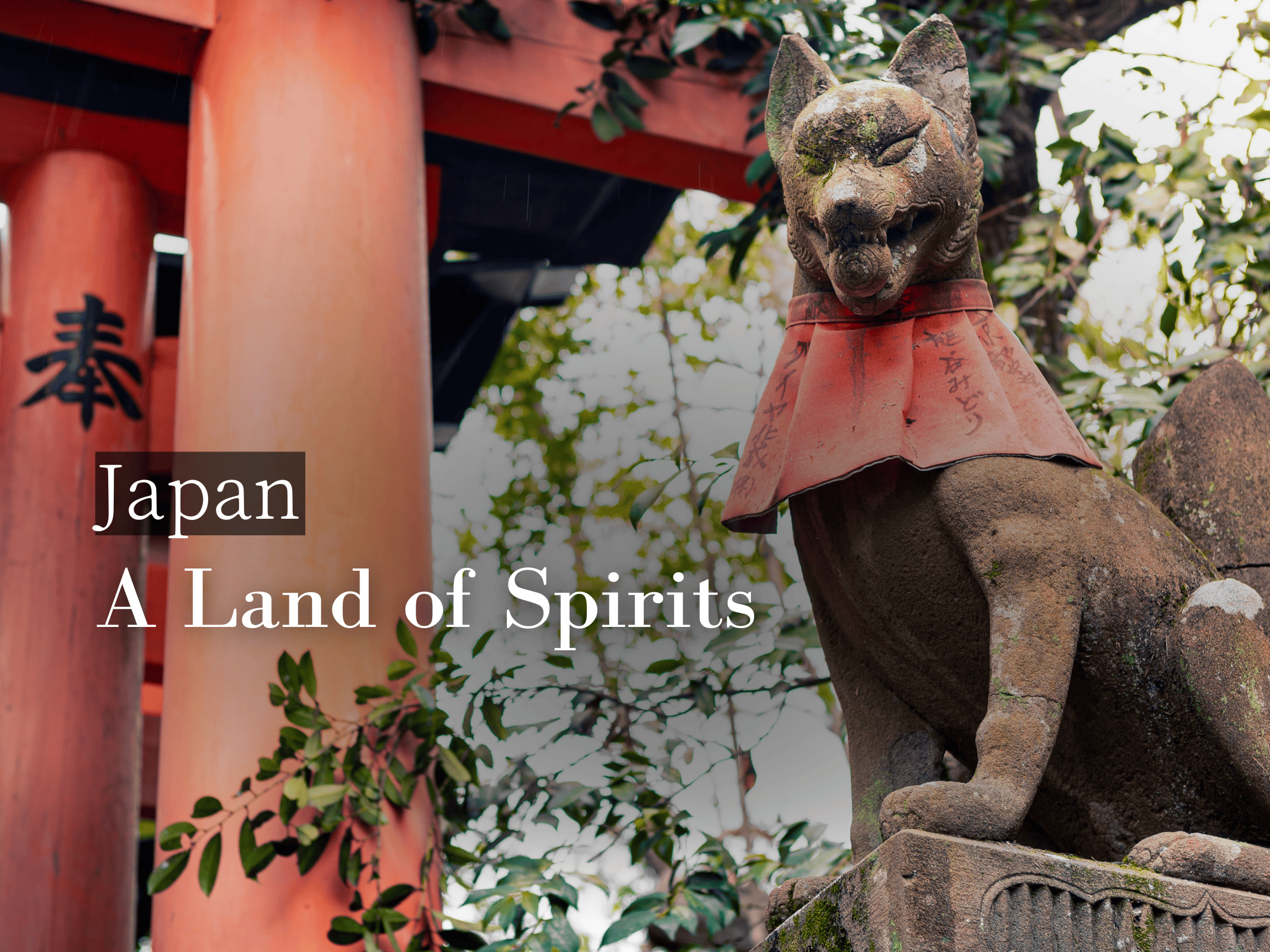
Japan is known for its towering skyscrapers, bullet trains, and neon lights. However, beneath the modern facade lies a deep-rooted tradition where the natural world and the spirit realm are intricately intertwined. Whispers of the unseen can be felt in ancient temples, serene forests, and bustling cityscapes. This goes beyond mere ghost stories. Japan's essence is closely tied to the belief in spirits, from the benevolent kami of Shintoism to the mischievous yokai of folklore.
Kami: Nature's Divine Presence
Shinto, Japan's native religion, forms the foundation of this spiritual connection. Shintoists worship kami - spirits that represent the essence of everything, from the majestic Mount Fuji to the fleeting cherry blossom. A Shinto shrine is not just a place of worship; it's a sacred space where humans can commune with the kami.
The torii gates at shrine entrances symbolize a transition from the ordinary to the divine. Inside, elaborate rituals are performed to honor the kami, with offerings of sake, rice, and prayers for blessings and harmony.
The variety of kami mirrors the diversity of the natural world. There are kami of mountains, rivers, forests, and even wind and thunder. Inari, the kami of rice and prosperity, is often depicted as a fox, leading to the tradition of fox statues at Shinto shrines. Local kami are also revered as protectors of specific communities and landmarks. This deep reverence for nature, nurtured by Shinto beliefs, is a fundamental aspect of Japanese culture.
Yokai: The Enchanting and Eerie
While kami are generally seen as benevolent beings, Japanese folklore is filled with stories of yokai - a captivating array of supernatural creatures. Unlike the clear-cut good versus evil in Western mythology, yokai can be both mischievous and helpful.
Tanuki, the playful raccoon dog, is a popular figure known for its love of sake and shapeshifting abilities. Kitsune, the fox spirit, is another prominent yokai revered for its intelligence and magical powers.
Yokai also include creatures that evoke caution, such as the kappa and bake-danuki. Yurei, vengeful ghosts seeking resolution, are common themes in Japanese folklore and horror tales.
A Living Tradition: Spirits in Daily Life
The presence of spirits is not limited to ancient myths. Even today, the concepts of kami and yokai continue to influence Japanese life in subtle yet profound ways.
Festivals
Japan hosts vibrant festivals throughout the year to celebrate the seasons and the bond between humans and kami. From cherry blossom viewing to fox parades honoring Inari, these events showcase the enduring belief in the spirit world.
Fox Statues
Inari shrines feature statues of foxes, symbolizing Inari's connection to these creatures. People often leave offerings at the statues' feet to seek good fortune.
Nature Etiquette
The deep respect for nature in Shinto beliefs translates into a strong environmental consciousness. Many Japanese practice forest bathing to connect with the spirits residing in nature.
Japan is a place where the physical and spiritual realms coexist. Embrace the concepts of kami and yokai to gain a deeper understanding of Japanese culture and its profound link to nature. Approach with wonder and respect, and you may uncover the hidden magic woven into this extraordinary country.
-----------
MAYBE YOU ARE CONCERNED:
If you are planning to travel to Japan and want to easily and affordably stay connected to the Internet, you can rely on our Travel Data, Pocket WiFi rental service.
For foreign residents in Japan seeking a reliable SIM card or WiFi service that can significantly reduce telecommunication fees, we offer a solution tailored to your needs. Please refer to our services through the links provided below.
1) CHEAP DATA SIM CARD PLANS (Details)
2) CHEAP POCKET WIFI PLANS (Details)
3) CHEAP CALL SIM CARD (Details)